What’s the Best Way to Communicate in HMOs?
Managing HMO tenants on WhatsApp? Discover why structured tenant communication, maintenance triage, and secure house chat reduce costs long-term.

If you’re self-managing an HMO in the UK, chances are you’re using WhatsApp.
I did too. It's just too convenient.
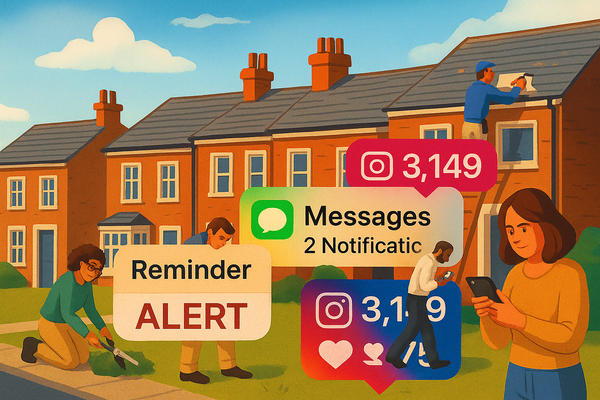
Until you’re managing 10+ tenants, across multiple houses, and your phone becomes your property management system.
My Usual Evening as HMO Landlord
It wasn't uncommon to receive three separate messages from the same HMO within an hour:
- “The kitchen’s a mess again.”
- “Was cleaner in this week?”
- “Bins haven’t been taken out.”
Not exactly an emergency, thank goodness, but of course I needed to reply.
So suddenly I was:
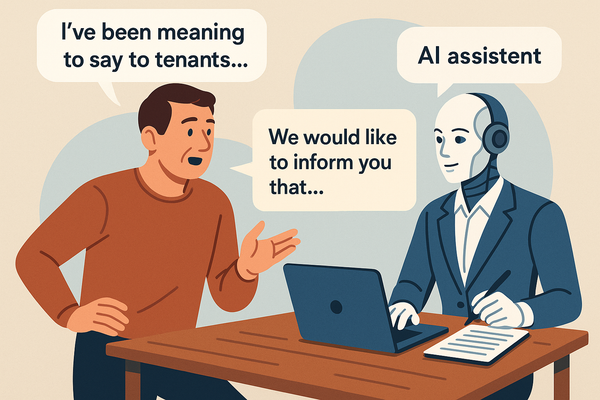
- Mediating between adults who don't feel comfortable talking to each other.
- Checking cleaning schedules.
- Forwarding messages.
- Scrolling through old threads to understand whose turn it was to deal with the bins this week.
This isn't HMO management, this is busy work eating into my family time.
What's The Best Way to Communicate with HMO Tenants
Now, I’ll say this clearly: WhatsApp is brilliant. It’s instant, it’s free, and everyone uses it. For one or two properties, it works fine. There’s no friction. And any new app, including Netmo, requires a change in behaviour. You have to ask tenants to use it. You have to log in. It’s not as frictionless as opening WhatsApp.
So I completely understand why landlords stick with it.
But HMOs are different.
When you’ve got multiple tenants in one house, shared kitchens, different personalities, and several properties, things start to blur. Messages get mixed across houses. Tenants move out and the context of past issues disappears. Every small thing lands directly with you. There’s no filter.
Most maintenance messages start vague anyway. “Heating’s not working.” “Oven’s broken.” “WiFi is slow.” Often it’s a reset, a setting, or something minor. But on WhatsApp, everything feels urgent and everything comes straight to the landlord.
There’s no structure. No history tied to the property. No triage.
That’s what pushed me to build Netmo.
With Netmo, communication sits with the property, not on my personal phone. Each house has its own chat space, so tenants don’t have to share phone numbers or drag me into every shared-house issue. When someone reports a problem, the system asks the questions I’d ask anyway. In many cases, the issue gets resolved before it ever reaches me.
And when it is a real problem, it becomes a proper ticket with context — not just another message thread.
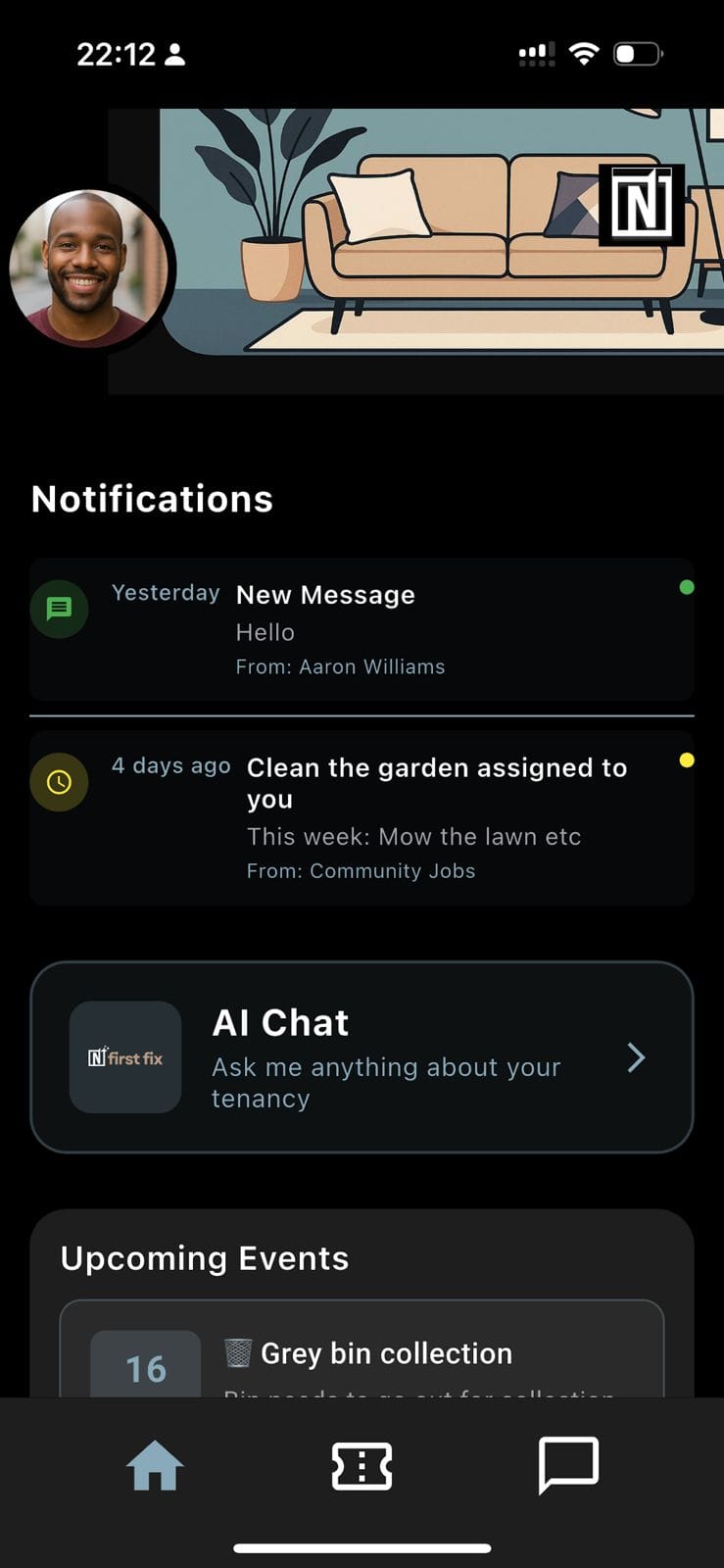
Yes, it requires a change. Tenants have to download it. I had to get used to using it consistently. But once the behaviour shifts, the difference is obvious.
WhatsApp is easier today.
A proper system is easier next year.
If you’re running one property and you’re happy being in every chat, WhatsApp is fine.
If you’re running HMOs and you want less noise, fewer unnecessary call-outs, and clearer records, structure starts to matter more than convenience.
That was my experience, anyway.
If you’re curious what tenant communication looks like when it’s designed specifically for HMOs, that’s exactly why I built Netmo, have a look on the website.
Follow Benjamin Fountain in LinkedIn for daily posts about the experience of being an HMO landlord and how to use technology to scale.